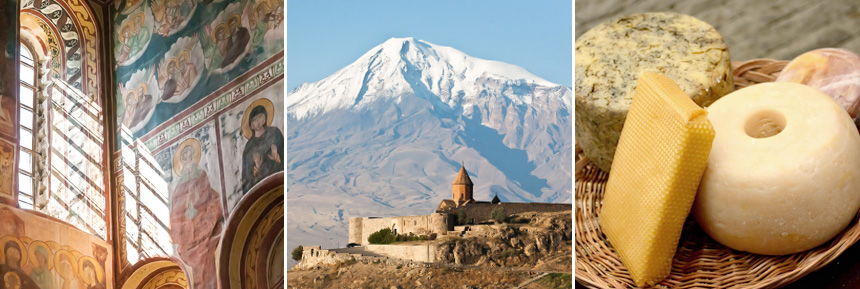
I would like to preface this post with a little personal note. When I first read the words “The Caucasus” about a week ago, I could not point to it on a map. I was intimidated, I admit. Even my boyfriend, who majored in Anthropology and Geography, was unsure of where the Caucasus Mountains were.
When I did my initial fit of googling and sighing, I came to the conclusion that it was part of the Middle East and groaned. My knowledge of this area was limited to the news and the little that I had learned in classes. I realized that I was completely relying on a single story of the region. And it wasn’t even an accurate one in the slightest. Not only is this area not technically the Middle East, but it is incredibly diverse and much more intriguing than I had originally thought.
My hope is that this post defines the Caucasus with little bias, few assumptions, and a great amount of respect.

The Caucasus, also known as Caucasia, is a region between the Black Sea and the Caspian Sea, about the size of Montana. It’s not really a part of Eastern Europe, Central Asia, or the Middle East. The whole area was part of the Soviet Union and is today occupied by four countries: the Russian Federation, Georgia, Azerbaijan, and Armenia.
I want to give a quick overview of the formally divided states, just to have a little background on each.
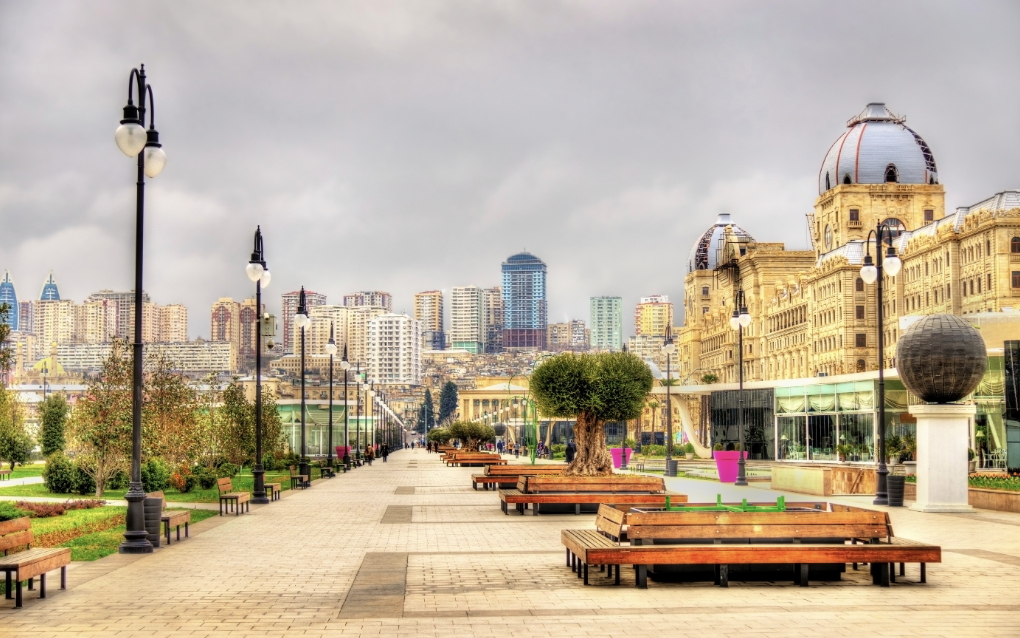
Azerbaijan: This country has the largest territory and the highest population of the region. It’s considered the most important zone of oil output and development in the world, leading the world’s oil production at the beginning of the 20th century. The country’s largest city, Baku, is the most important industrial city in Transcaucasia and can be called “Little Venice” It boasts a 2 mile picturesque boulevard and many historic sites.
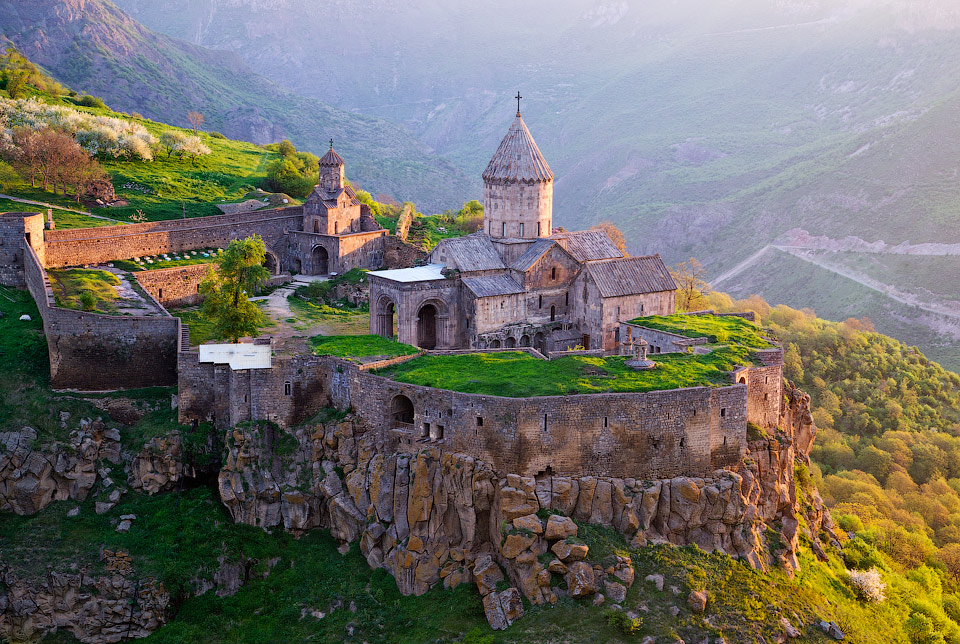
Armenia: Armenia has no access to the sea but has always been on crossroad of trading from the Near and Middle East to Europe. It’s the first Christian state in the world and is considered one of the most interesting in the Old World, with countless historical and cultural monuments.
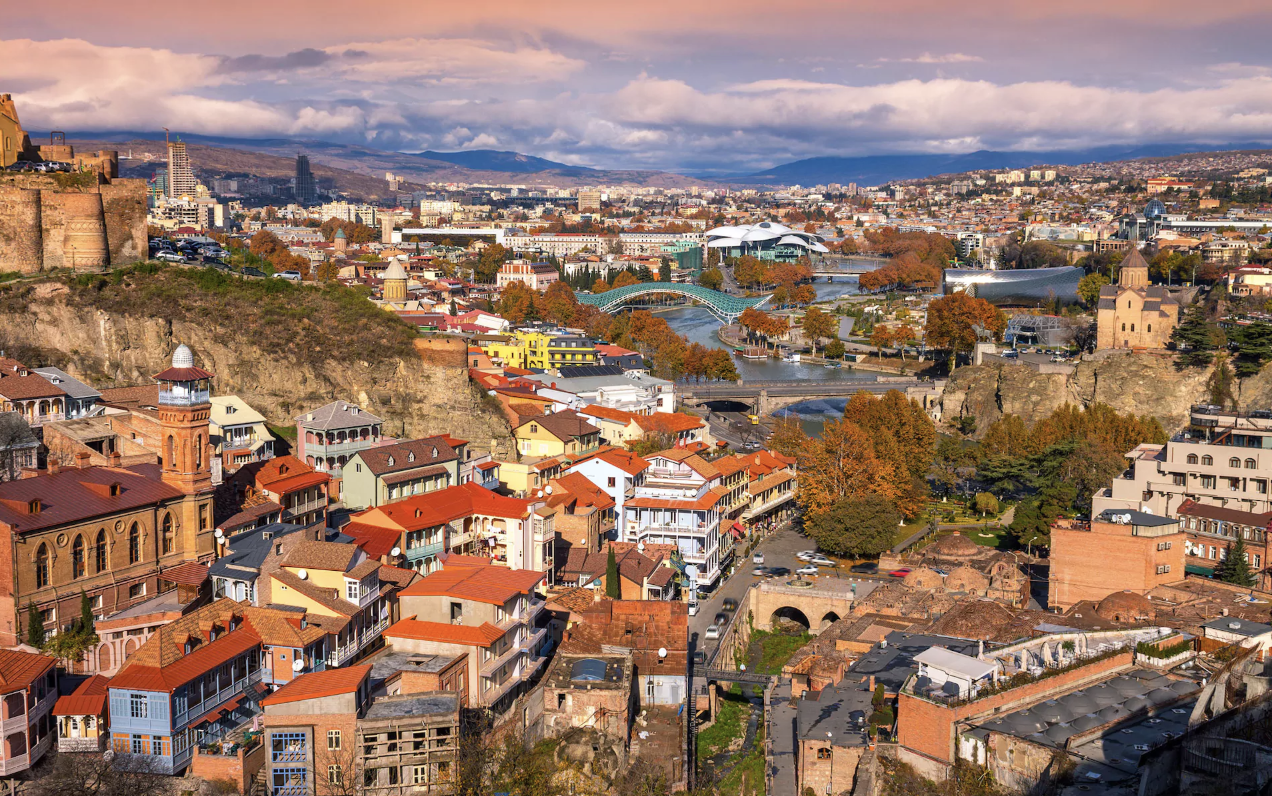
Georgia: The country of Georgia has a rich history and culture. Despite its moderate size, Georgia presents an array of varied landscapes and micro-climates, ranging from dry wine-growing valleys in the east, to the lush Black Sea resorts to the west. It’s so famous for it’s long history of wine production that it’s alphabet is composed of loops and twirls that resemble grapevines. Control of Georgia determines the flow of trade patterns and venues of infrastructures for all of the Caucasus and Central Asia.

Russia: North of the Caucasus Mountains is occupied by the Russian Federation. The geopolitical landscape of this region is tense, as the area is the outlet of the landlocked Caspian region to open seas. The Caucasus is also the meeting ground of a number of powers from Russia, Turkey, and Iran. Thus, this area is the setting for much violence and conflict. One such is the Chechnya-Russian conflict, which has continued for centuries between the former Soviet government and various Chechen nationalists and Islamic forces.
The area is defined largely by the Caucasus Mountain range that extends 1,100 km from Russia into Iran. The range consists of the Greater Caucasus, north, and the Lesser Caucasus, south.
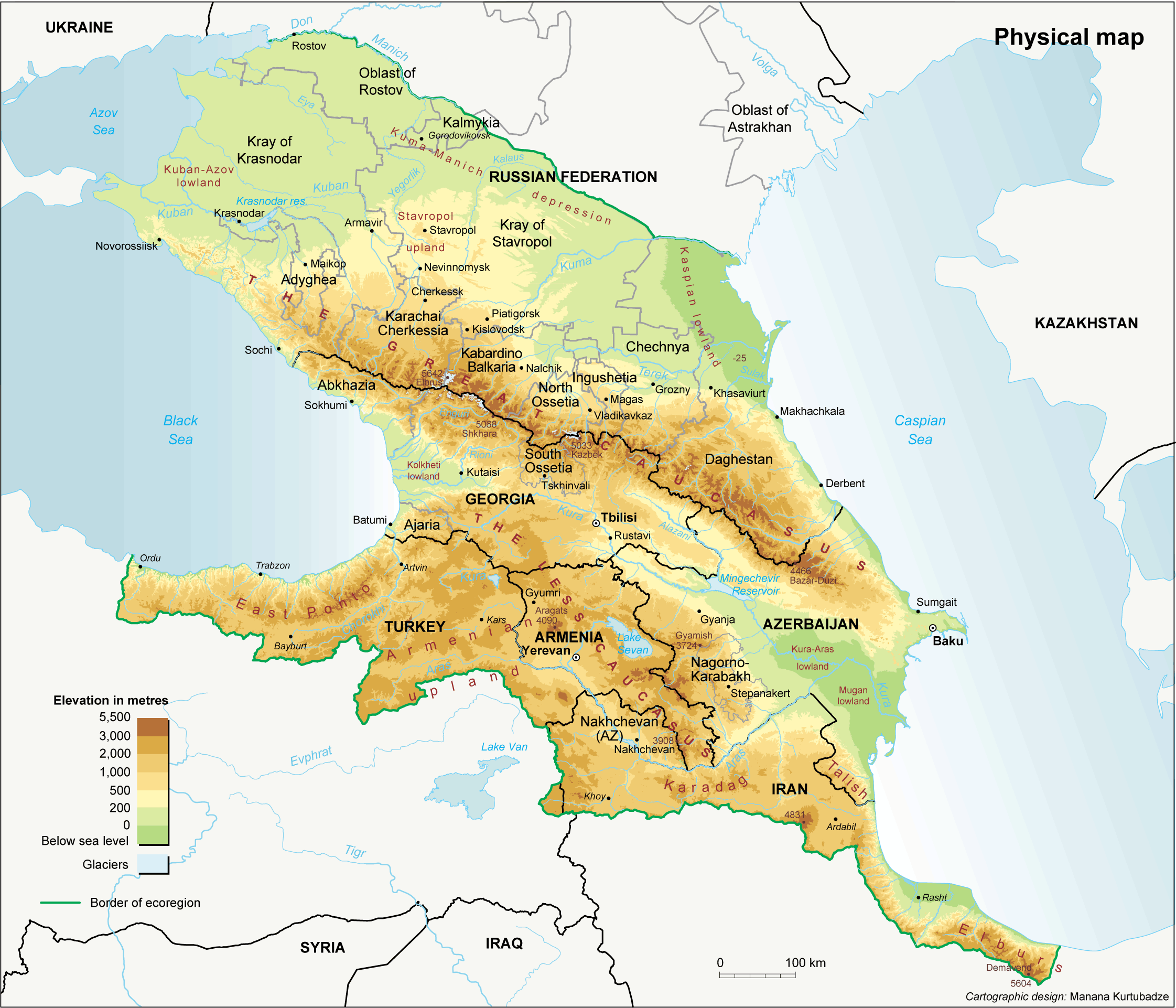
A little bit of geographic history: these mountains formed as the result of a tectonic plate collision between the Arabian plate moving northward into the Eurasia plate. Because the fault structure prevents subduction of the plate (which is why there are no volcanoes), the region is subjected to regular strong earthquakes. Because the mountains are located in the middle of the Eurasian plate between Europe and Asia, it’s difficult to determine the exact border of the two continents.
I apologize for the bombardment of maps, but I think that seeing the ethnic diversity of this area in an image like this shows you how truly ethnically diverse the area is:
Although this small region (remember, about the size of Montana) has a population of around 20 million, and around 50 ethnic group, it’s linguistic variety is second only to New Guinea.

Simple borders may separate the political entities here, but the rough terrain means that crossing from different areas could involve moving through high mountain passes that are only open part of the year or using one of a few tunnels. These natural barriers mean that many groups have existed in isolation.
Not only is there vast variation among ethnicities and languages, but it’s accompanied by religious and political variation. Many may believe that the region is largely Muslim, but many regions such as Azerbajian are pretty secular. Armenia and Georgia have even been Christian since the fourth century. As for the political environment, the region ranges from the dictatorial regime in Chechnya to the fairly democratic Georgia, which marks the regions first peaceful transition of political power after fair elections.
Upon first glance of the map, I wouldn’t have thought that there is a Democratic state in this area at all. One more story that I have learned to reject based after learning about the intricacies of the Caucasus.
The Western Caucasus has been designated a World Heritage Site, as “it is the only large mountain area in Europe that has not experienced significant human impact, containing extensive tracts of undisturbed mountain forests unique on the European scale.” To illustrate just how beautiful and untouched much of the area is, I’ve included a video of the mountains below.
The name Caucasus is a Latin form of Kaukasos, which ancient Greek geographers and historians called the area. Ultimately, it’s thought to have been derived from Kaz-kaz, the Hittite name for people living on the shore of the Black Sea. This etymology reflects the historical importance of region.
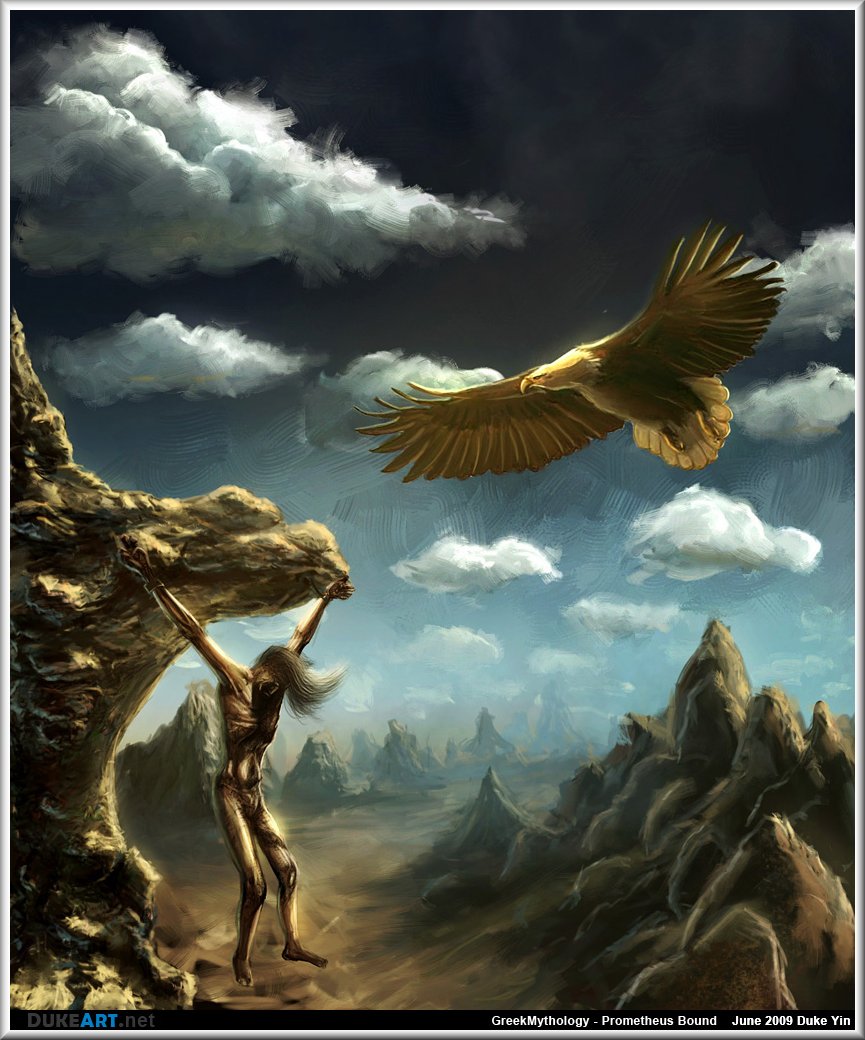
In Greek mythology, the mountain range was the site of the sufferings of Prometheus, and the Argonauts sought the Golden Fleece in modern day Georgia. The mountains were also a major route to the north for cultural diffusion of the Middle Eastern civilizations of the Fertile Crescent. As such, the area has had such ethnic and cultural diversity since early times.
It’s important to note that this area is in a dangerous neighborhood, to say the least. Throughout this long history, peoples have engaged in warfare, and it has translated into hostile modern relations. For example, just a couple decades ago, more than 30,000 people died in a conflict between Armenia and Azerbaijan.
Most major hostilities since 1800 stem from Russian efforts to gain control of the region, especially north of the range. Today, bombings and shootings that kill a dozen people are not out of the norm. In the 90s, a war between militias and Russian forces left over 70,000 dead. Writers such as Lev Tolstoy describe the Caucasus War, which lasted from 1817 to 1864. In many ways, this war and the brutal violence that accompanied it, continues to this day.
After mentioning so much violence, I want to show a bit more of a romantic view of the area. The Caucasus is a place of beauty. Most people seek nothing more than to live in peace and prosper.
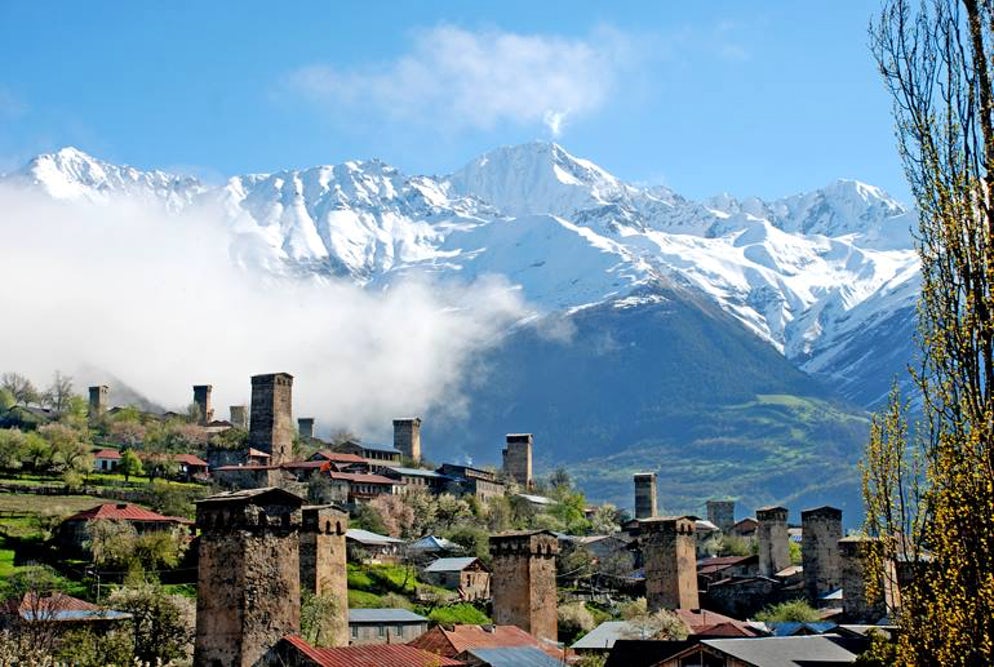
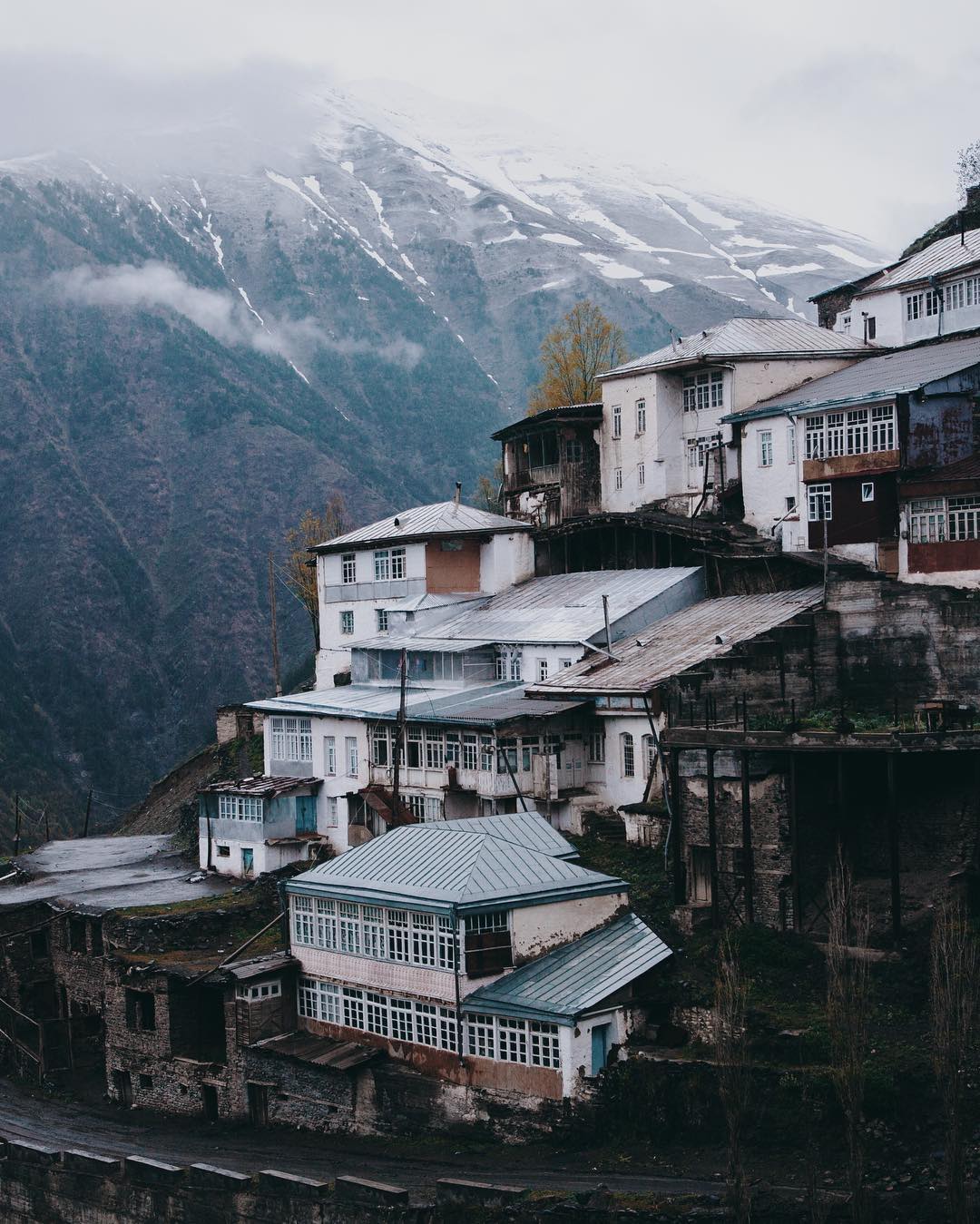


Before about a week ago, I could not point to the Caucasus on a map. For a while, I had a very narrow view of the entire area between Asia and Europe. A very inaccurate view, I have come to learn. I’m actually really happy to have taken this journey to learn about an area so out of my comfort zone.
In my research, I learned about One Caucasus, an international festival and long-term border program that first took place in 2014. It’s located at the border of Armenia and Azerbaijan. Their aim is, “with the support of the local municipality, to create an inspirational & safe space to foster the meetings and collaboration of young people from the entire Caucasus region”. It brings together “musicians, artists, architects, educators and volunteers from all over the world”. I thought this was extraordinary and presents a story that is so vastly different than the one that I had been originally taught.
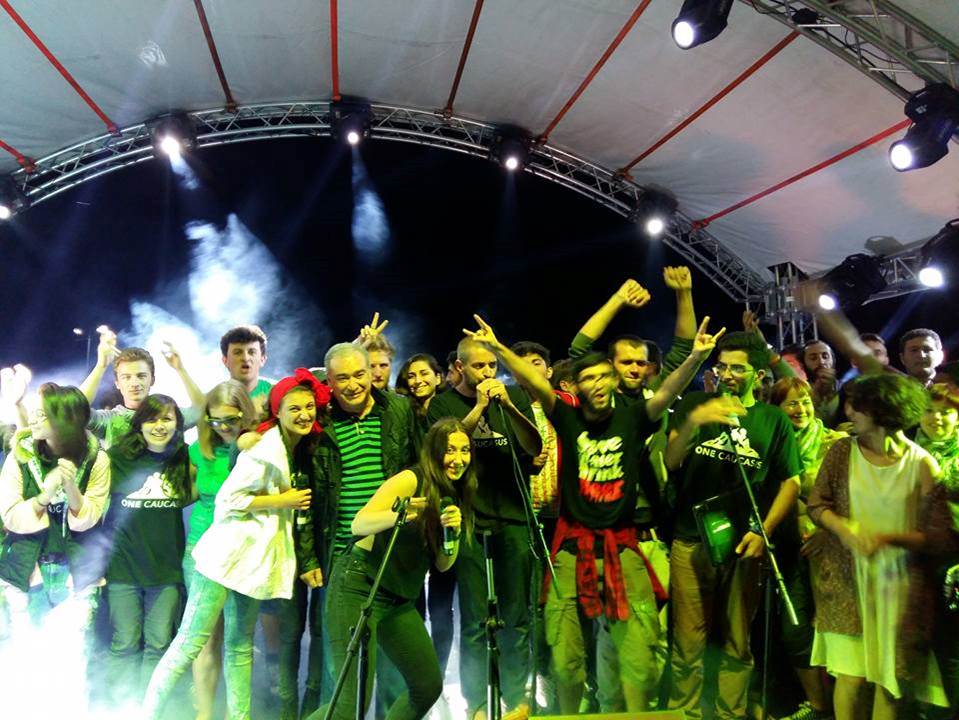
The festival has free admission, free transport, and free living space. Not only is it a lively music festival, but it is a change maker. It established the first ever participatory budget in Caucasia – people decide on the local spending. It was the reason for some infrastructure development – including repairing the road to Tserakvi. They also conduct an all-year Informal Education Program for villages of Marneuli, Kvemo-Kartli.
This festival is just one example of the culture in Caucasia that rejects the single story I originally had of the area. It also makes me think about how power plays a role in the stereotypes we convince ourselves of. Assigning a group of people a specific view belittles their experience. It rejects the notion that we’re all people with the ability of connection. It rejects the diversity of the cultures and language. It rejects the idea of a music festival in the middle of a war-torn land. It rejects the terrific wine and amazing cuisine of Georgia.
I think that because violence is scary and people get nervous, so many limit this region to just the political. This puts the power into the hands of a few and takes it out of the 20 million people who reside here.
I decided to reject the single story of the Caucasus and to instead appreciate the rich culture and history of the region.
I will end with an excerpt of the description of a mini-exhibit entitled “The Caucasus: Land of Diverse Cultures” by June Pachuta Farris, Bibliographer for Slavic, East European and Eurasian Studies at Humanities & Social Sciences:
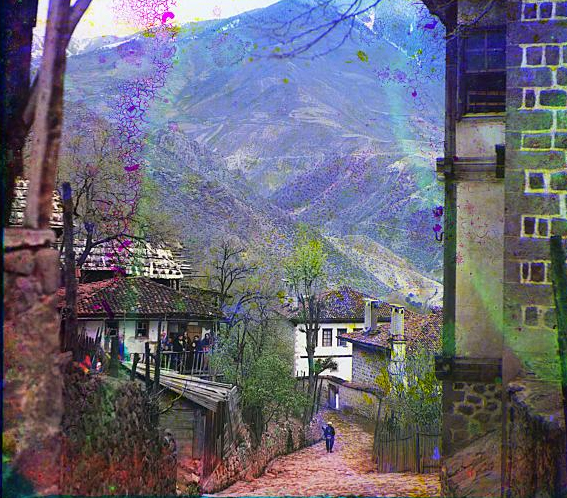
“The Caucasus has captured the imagination of travelers throughout the ages, as well as being of current strategic importance to the world’s powers. As one can see from even the briefest of historical chronologies, these have been countries involved in almost continuous conflict, war, forced migrations, massacres, ethnic cleansing, invasion, conquest and re-conquest, with borders that have shifted in response to each cataclysmic event. Nevertheless, each country has been able to nourish its language, literature, folklore and art, preserving its sense of ethnic and national identity (to paraphrase a local proverb –“There are more poets than mountains”).
Credits:
https://pulitzercenter.org/reporting/five-things-worth-knowing-about-caucasus http://www.newworldencyclopedia.org/entry/World_Heritage_Site https://commons.wikimedia.org/w/index.php?curid=2430263 https://www.britannica.com/place/Caucasus https://www.itinari.com/svaneti-the-most-beautiful-place-in-the-whole-caucasus-f40y https://www.youtube.com/watch?v=b20jzDcWGP8 https://photogrist.com/wp-content/uploads/2017/01/Magomed-Shapiev.jpg http://variousgods.com/prometheus2.html http://www.fairmontmoments.com/historic-beautiful-baku https://en.wikivoyage.org/wiki/Georgia_(country) https://www.bbc.com/news/world-europe-12274023
 The Caucasus
