Faith groups saw a bright future for themselves on December 26th 1991, when the Soviet Union was dissolved and established independence to fifteen states. Political totalitarian rule under the union of these socialist states had lead to religious practice being forced out of public and private life. Faith leaders were sent to labor camps and sacred buildings fell.

A cultural revival in the 80s led to the establishment of constitutions that protected religious freedom, creating an environment for churches and states to exist together. Brian Grim, who worked in what is now Kazakhstan from 1989 until the mid-1990s, states that leaders recognized “the positive contribution religion could make to the building of new countries”.
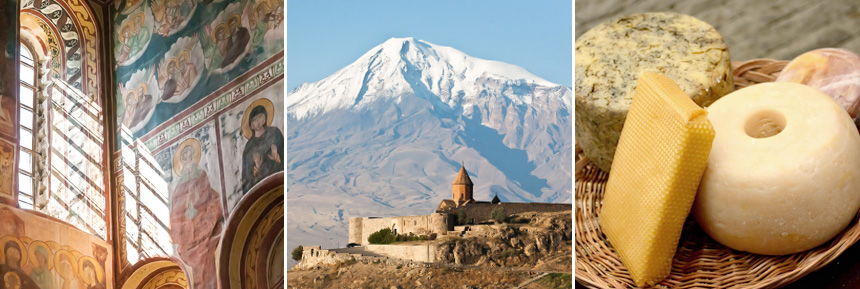
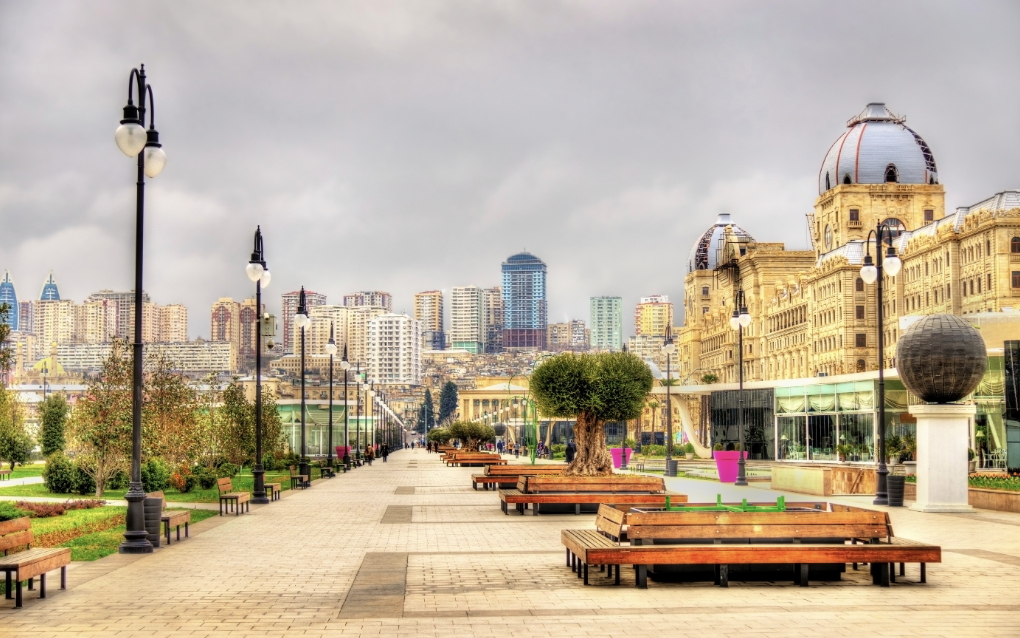
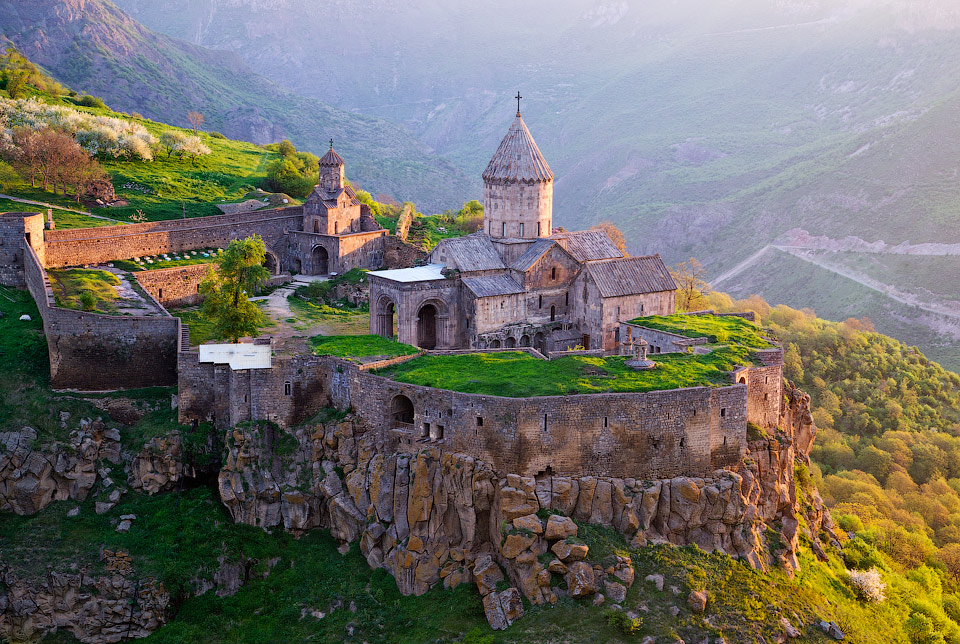
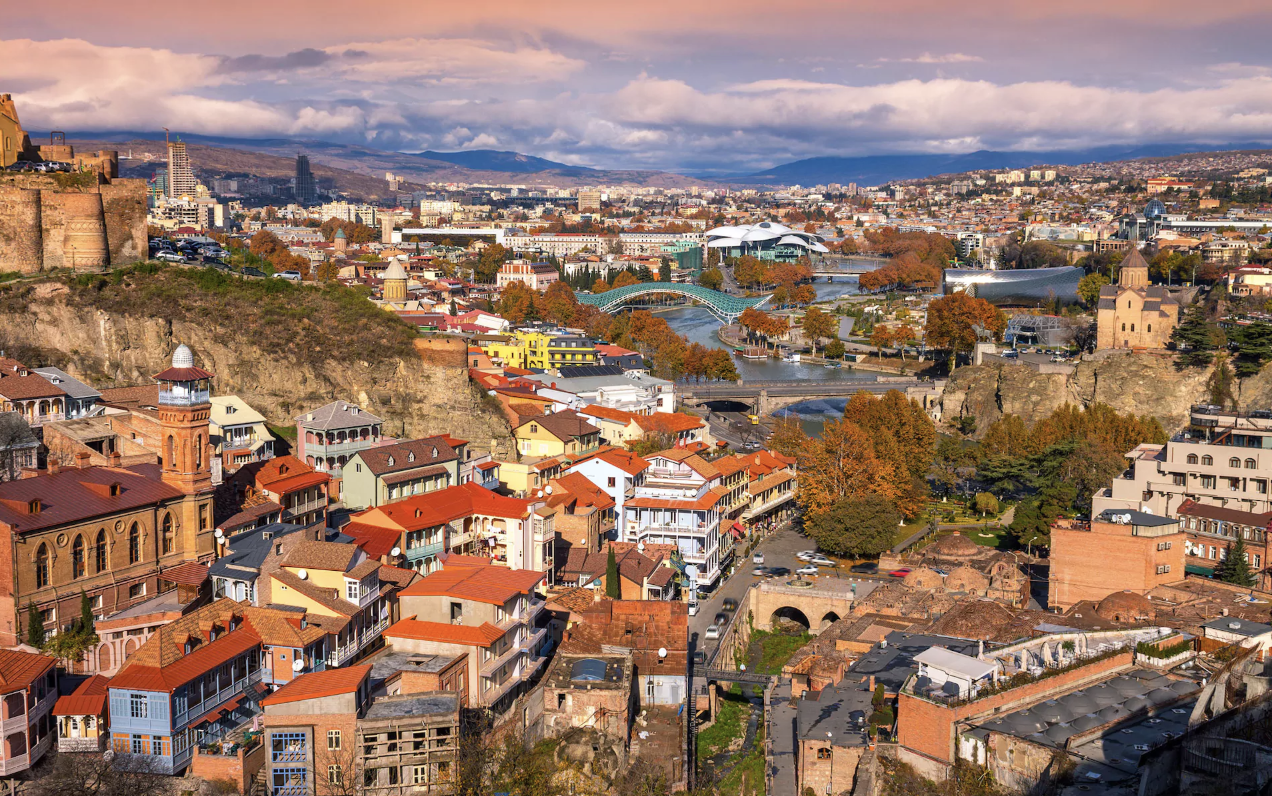
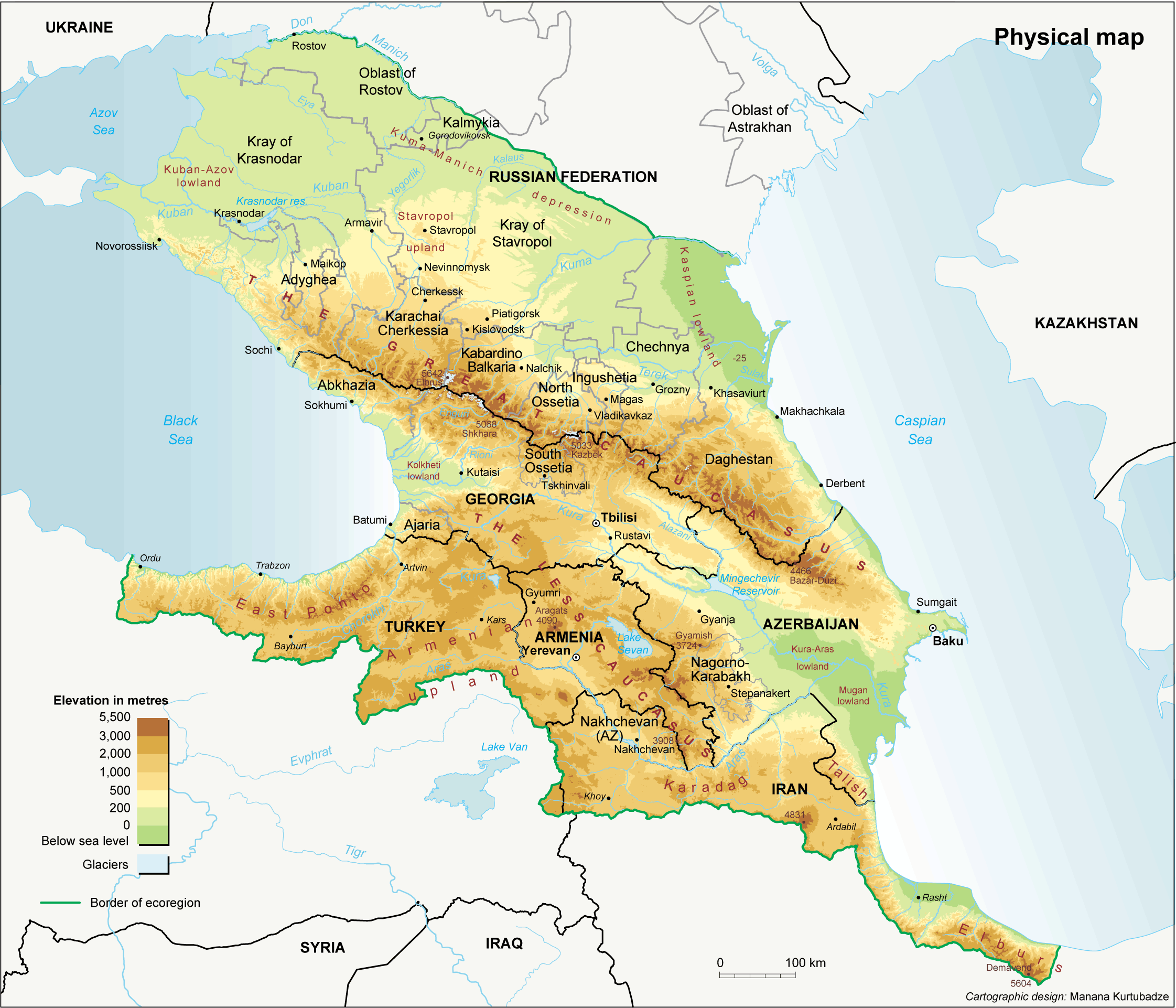
This complicated history has lead to an interesting revival of religious practice in the region of Transcaucasia, which is composed of the countries of Armenia, Azerbaijan, and Georgia.
I’ve decided to go into depth on the history of this religious revival in the country of Georgia, as the government is not hostile to religious practice but there are policies in place that favor the Georgian Orthodox Christians, making it difficult for other religions to grow.
Religion During Soviet Rule
Orthodox Christianity

The Soviet regime originally promoted atheism, however, many Georgians remained Christian as part of their cultural and family tradition. In 1943, the church became independent, strengthening a link between what is traditionally viewed as Georgian and Christianity. This brought many back to the gold old days of independent Georgia.
In the 80s, the Soviet Regime loosened their reigns on religion a bit more, allowing it to be more visible in public. This was followed by the renaissance of the Georgian Orthodox Church (GOC)- churches were reopened, and religious colleges were opened, such as the Tbilisi Spiritual Academy.
Islam
In 1943, the regime established the Spiritual Directorate of the Muslims of Transcaucasus in the capital of Azerbaijan, Baku. This was to represent all Muslims in the region, including their in Georgia, and meant that the Sunnis became a subsidiary of the sheikh of Shias.

In general, this lead to a loss of religious knowledge with the lack of institutional mediators. So the revival of Islam was much different than the Orthodox Christian renaissance because they did not have this opportunity to rebuild and nurture their religion. The two big reasons why this revival was delayed was the lack of educated Muslim clergy and the absence of a national administrative body for the Muslims.
Crumbling Republics
Towards the end of the Gorbachev period, there was a time was political turmoil and uncertainty. The GOC served as a symbol of stability. This period gave more power and trust towards the institution of the majority religion, which in turn gave them political influence.
This had an impact on minority religions, especially Islam. But a lack of religious institutions had pushed the Muslims of Georgia to live Islam only as a part of their cultural and family life, making a revival of the traditional religion nearly impossible. This caused Muslims to become more open to the influence of religious movements in other countries abroad, breaking a link between the cultural and the religious.
Post-Soviet Revival
Post-Soviet Union, there was a revival and reculturation of Orthodox Christianity as well as a deculturation of Islam. It gained momentum as the political and institutional elite were unable to establish an effective and stable political system, leading to a loss of public trust.

As a consequence, the GOC took a much more active role in society and politics. They filled a vacuum left by both political and economic unrest. The growing rule of the GOC has been emphasized by several events, such as the civil war, violent ethnic conflicts, and the political and economic crisis.
Religion in Modern Day Georgia
The GOC is now viewed as a part of the country’s cultural and social fabric, as it’s members constitute more than 80% of the population. It is also the only group that provides military chaplains and consults to the government. Other minority religious groups aren’t required to register with the government, although they would receive benefits like tax exemptions and the right to own property.
Today, minority groups such as Muslims are sometimes targets of campaigns or physical violence, especially when they are seen in opposition to the GOC. This creates a environment of tension, as the country is surrounded by Muslim states. Below is a link to the map of the current religious makeup of the region.
I’ve included a video below about ethnic Georgian Hurie, produced by USAID, with a purpose of creating a more tolerant and respectful religious population of Georgia.
Credits:
Dallas, Kelsey. “The Fate of Religious Freedom in the Former USSR, 25 Years after Its Collapse.” DeseretNews.com, Deseret News, 29 Dec. 2016, http://www.deseretnews.com/article/865670047/The-fate-of-religious-freedom-in-the-former-USSR-25-years-after-its-collapse.html.
Köksal, Pınar, et al. “Religious Revival and Deprivatization in Post-Soviet Georgia: Reculturation of Orthodox Christianity and Deculturation of Islam | Politics and Religion.” Cambridge Core, Cambridge University Press, 13 Aug. 2018, http://www.cambridge.org/core/journals/politics-and-religion/article/religious-revival-and-deprivatization-in-postsoviet-georgia-reculturation-of-orthodox-christianity-and-deculturation-of-islam/3733FD242B3627BF8509F501F522E0B3.
Varshalomidze, Tamila. “Ethnic Georgian Muslims in a Christian-Dominated Nation.” Europe | Al Jazeera, Al Jazeera, 7 Dec. 2017, http://www.aljazeera.com/indepth/features/2017/12/ethnic-georgian-muslims-christian-dominated-nation-171204110108701.html.







 The Caucasus


